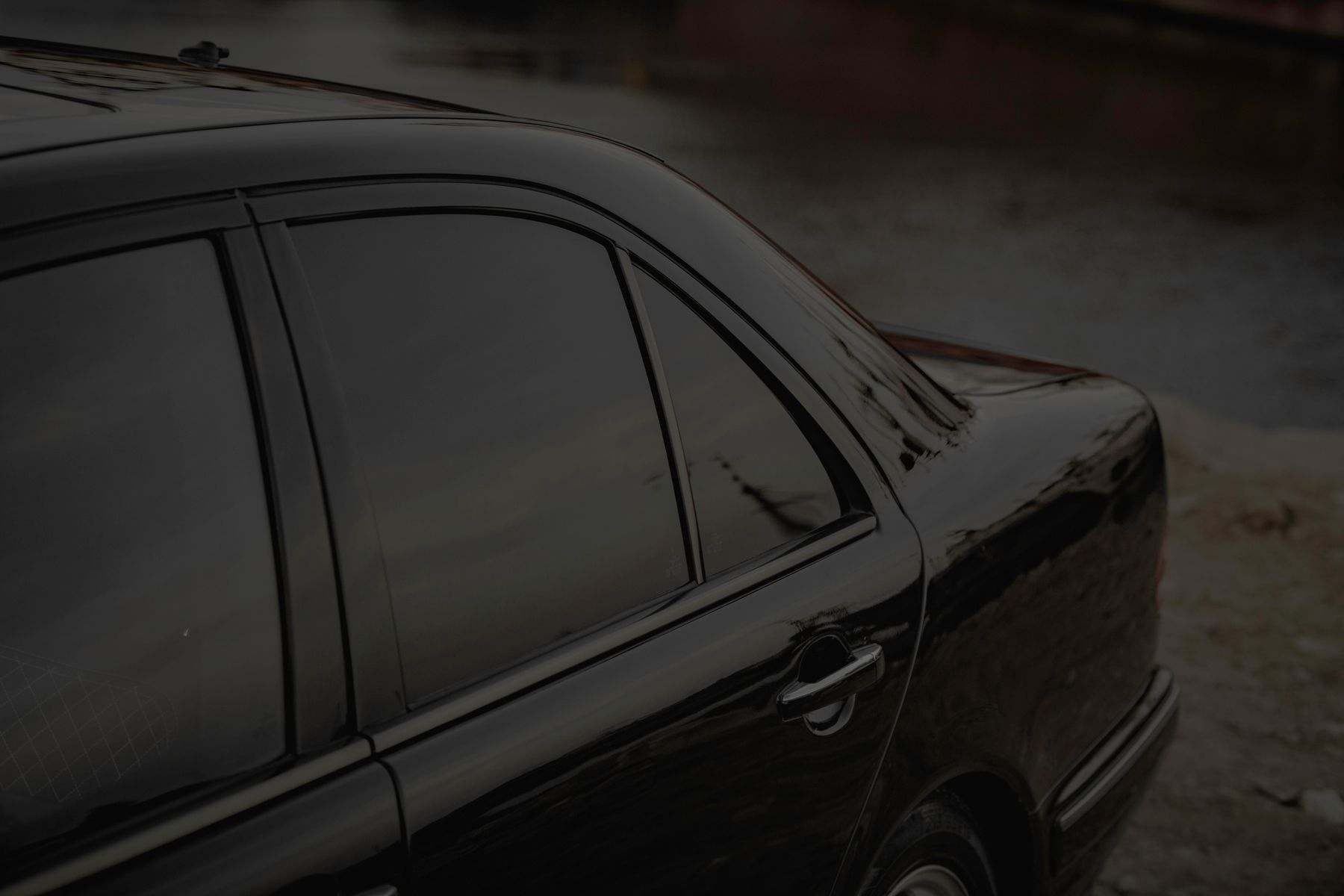
A window tint percentage is the share of visible light that gets through the glass. A 35% tint lets 35% of light through, and a 20% tint is darker. Every window tint percentage works the same way. The catch is that the number on the film box is not the number a police tint meter reads. Your factory glass cuts light too, and the two multiply. That is the core of window tinting math.
We are not a tint shop and did not meter any cars for this guide. We read maker spec sheets, a 50-state law table, meter guidance and Texas law text on 18 November 2026. No brand pays us, and there are no affiliate links on this page.
What’s New in Window Tint Percentage Rules for 2026
Polar Tint updated its 50-state table for 2026. Most states cap front side windows between 25% and 50% visible light transmission (VLT). Rear windows are usually looser.
Legal Clarity published meter guidance in May 2026. It says professional tint meters are accurate within 2 to 3 percent. It also gives the key warning: a “35% tint” on 78% glass reads roughly 27%.
Texas stopped most safety inspections on Jan. 1, 2025. Tint is now checked mainly at traffic stops there. See our Texas tint laws guide for the details.
What a Window Tint Percentage Means
The percentage is VLT, short for visible light transmission. It tells you how much light passes through. FilmVantage puts it simply: 35% VLT means 35% of visible light gets through, so a 20% VLT tint is darker.
Lower numbers are darker. Any VLT percentage below 50 is a visibly dark film. A 5% film is often called limo tint. A 70% film is close to clear.
The name is not always the reading. Maker spec sheets show the real VLT for each film. The tint percentage in a film’s name is a rough label.
| Film name | Measured VLT on maker sheet |
|---|---|
| XPEL XR PLUS 15 | 12% |
| XPEL XR PLUS 20 | 18% |
| XPEL XR PLUS 35 | 38% |
| 3M Ceramic IR 35 | 45% |
| 3M Crystalline 35 | 40% |
| LLumar IRX 35 | 39% |
| SunTek CXP 35 | 33% |
| SunTek Evolve 70 | 65% |
Why this matters. A 3M “35” measures 10 points lighter than its name. A SunTek CXP “35” measures darker. Two films with the same name can give different tint meter readings. Our film spec ledger lists every sheet we read.
How to Calculate Tint Over Factory Glass
Multiply, do not add. FilmVantage gives the formula with an example: factory glass at 20% with a 35% film on top gives 35 x 20 / 100 = 7%.
Factory glass is not clear. FilmVantage says most clear glass from the factory is roughly 70% VLT. Legal Clarity says front side windows on most cars pass 70 to 90 percent with no film. Rear privacy glass on many trucks and SUVs is often 18 to 22 percent.
Work it backward. Divide your state limit by your glass VLT. That gives the darkest film you can use. Here it is for five common limits.
| State limit | Film needed on 70% glass | On 78% glass | On 85% glass |
|---|---|---|---|
| 25% (Texas) | 35.7% | 32.1% | 29.4% |
| 28% (Florida, Georgia) | 40.0% | 35.9% | 32.9% |
| 35% (North Carolina) | 50.0% | 44.9% | 41.2% |
| 50% (Ohio, Minnesota) | 71.4% | 64.1% | 58.8% |
| 70% (New York, Pennsylvania) | 100% | 89.7% | 82.4% |
Read the table this way. In Texas, a “35” film is about as dark as you can go on most front side windows. In New York, only near-clear film can pass on the front. Try your own numbers in our VLT stack calculator.
One caveat. Maker VLT is measured on clear test glass, which itself passes about 89% of light (3M’s 6mm sheet). So the simple product slightly underestimates a real reading. The meter reading is what counts.
Tint Percentage Limits by State
Tint laws differ by window. Front side windows are the most limited. Side windows behind the driver and the back glass are often looser. Here are front side limits from Polar Tint’s 2026 table for a few big states.
| State | Front side limit | Rear side | Rear window |
|---|---|---|---|
| California | Clear film only (88% or more) | Any | Any |
| Texas | 25% | Any | Any |
| Florida | 28% | 15% | 15% |
| New York | 70% | 70% | Any |
| Arizona | 33% | Any | Any |
| Washington | 24% | 24% | 24% |
| Pennsylvania | 70% | 70% | 70% |
“Any” means no limit on the darkness, but other rules can still apply, like mirror rules or reflectivity caps. Michigan allows only a 4-inch strip on the front side windows. Always check your state’s own page, because legal limits change.
Medical exemptions exist. Most states, but not all, allow a medical exemption for darker film. Polar Tint lists conditions like photosensitivity and lupus. The windshield has its own rules, often tied to the AS-1 line; see our windshield tint guide.
Does a Darker Tint Percentage Block More Heat
A little, within the same film line. A lot less than the film type does. On XPEL’s sheet, going from XR PLUS 35 to XR PLUS 5 adds 12 points of total solar energy rejected (TSER), from 59% to 71%. But switching from XPEL’s dyed CS Black 35 to XR Plus 35 adds 23 points at the same darkness.
So pick the film first. A light ceramic window film can beat a dark dyed one on heat. Our ceramic window tint guide shows the full ladder by film type.
UV is not tied to darkness. The films we read list 99% UV rejection or more across their shades, so they block UV rays even when nearly clear. Heat and UV protection come from the film, not how dark it looks. Glare reduction does rise with darker tint levels.
Common Window Tint Percentages Explained
5% (limo tint). Very hard to see in. Illegal on front side windows in most states. Often used on rear windows where the law allows any darkness.
20%. Dark, with strong privacy. On 78% stock glass, an XPEL “20” (18% measured) reads about 14.0%. That fails every front side limit in our state table.
35%. The most popular front window shade in looser states. On 78% glass, an XPEL “35” reads about 29.6%. It passes Texas’s 25% and fails Florida’s 28%.
50% and 70%. Light films for strict states and for heat control without much darkness. A ceramic window film at these tint percentages can still block a lot of heat.
How to Pick a Legal Window Tint Percentage
Step 1: Find your state limit for each window. Before any window tinting, use your state’s DMV or police page. Note the front side, rear side and back glass rules.
Step 2: Meter your stock glass. Ask a shop to read it before they quote. Rear privacy glass is often near 20%.
Step 3: Divide to find the darkest legal film. State limit divided by glass VLT. Leave a margin of a few points, since meters can be off by 2 to 3 percent.
Step 4: Ask for the measured VLT, not the name. Get the spec sheet number for the exact film. A “35” can measure from 33% to 45%.
Step 5: Get a printed reading after install. Keep it in the car with any label your state requires.
Window Tint Percentage FAQ
What tint percentage is legal?
It depends on your state and the window. Most states cap front side windows between 25% and 50% VLT, measured with the film and glass together. Texas allows 25%, Florida 28%, and New York 70%. Rear windows are usually looser. Check your state’s own rules before you buy.
Is 20 or 35 percent tint darker?
20% is darker. The number is the share of light that gets through, so a lower number lets less light in. A 20% film passes 20% of visible light, while a 35% film passes 35%. Both readings drop further once you add the original glass.
How do you calculate tint over factory glass?
Multiply the two VLT numbers. A 35% film on 20% privacy glass gives 35 x 20 / 100 = 7%. A film that measures 38% on 78% glass gives about 29.6%. To work backward, divide your state limit by your glass VLT.
Does darker tint block more heat?
Only a little, within one film line. XPEL’s XR PLUS goes from 59% to 71% heat rejection between its 35 and 5 shades. Changing from a dyed film to a ceramic one at the same shade adds more, 23 points on XPEL’s sheet. Pick the film type first.
How accurate are tint meters?
Legal Clarity says professional tint meters are accurate within 2 to 3 percent of the true value. Texas law also lets the state allow a 3 percent variance on front side windows. Leave a few points of margin so a borderline reading does not cost you a ticket.
Verdict: Choosing Your Window Tint Percentage
Pick your window tint percentage from the math, not the box. Divide your state limit by your glass VLT, then choose a film whose measured VLT is a few points lighter than that. For heat, spend on a better film type rather than a darker shade. That way your window tint percentage stays legal at a traffic stop and still keeps the car cool.
References
Read on Nov 18, 2026. Maker figures are as published; we did not re-measure them.
- FilmVantage · FilmVantage
- Polar Tint's 2026 table · Polar Tint
- Window tint meters: operation, accuracy and tolerance · Legal Clarity
- PRIME spec sheet R0523 · XPEL