tint-laws
Window Tint Laws by State 2026: All 50 States, DC and Puerto Rico From the Source
Window tint laws by state for 2026: all 50 states, DC and Puerto Rico as written in the statute and state agency pages, with a sortable table, map and CSV.
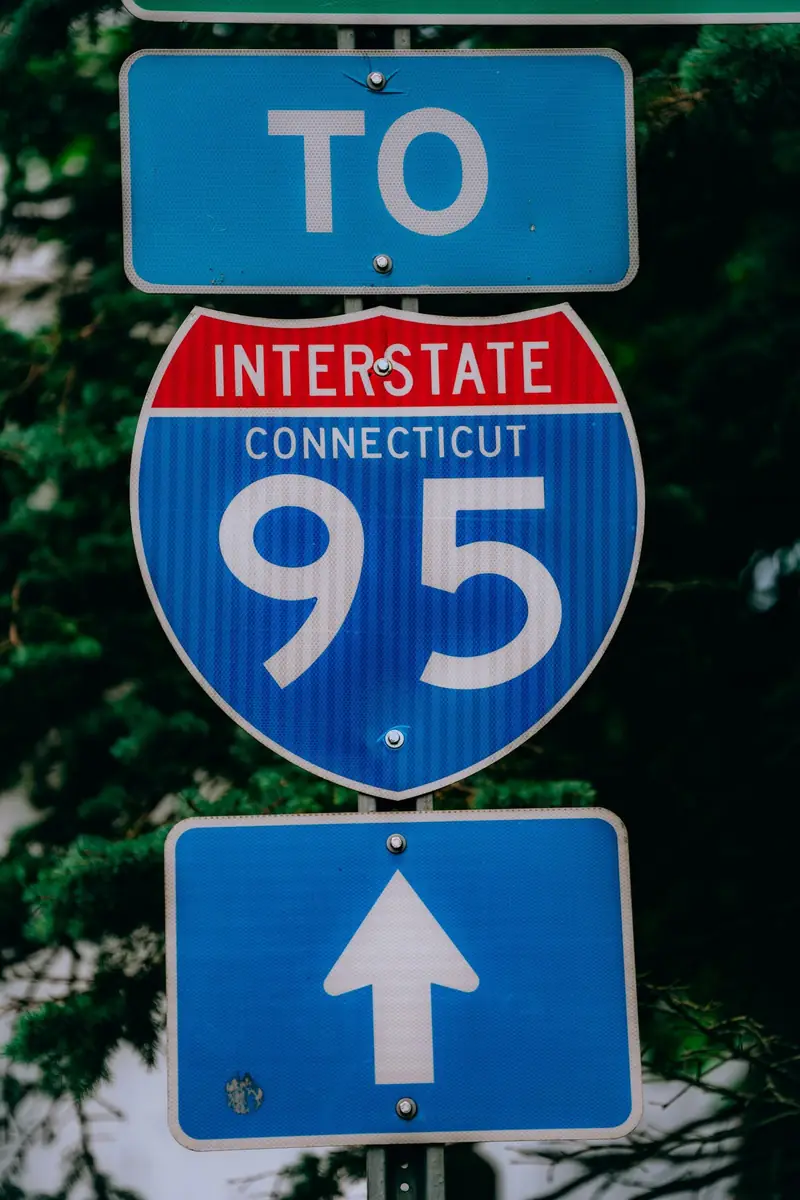
Window tint laws by state differ more than most drivers expect. The front side window limit runs from 20% in New Mexico to 70% in seven places, and four states allow no dark film up front at all. We read the statute or the state agency page for every one of the 50 states, DC and Puerto Rico on 18 November 2026, and each state page links its official sources.
This information may or may not be correct or current. We try to keep it accurate, but tint laws change, and this is not legal advice. Before you tint, check the official sources for your state or ask law enforcement there.
Window tint laws by state in one line: 35% is the most common front side limit, 15 places set no darkness floor behind the driver, and Louisiana is the biggest recent change, dropping its front limit from 40% to 25% in 2025.
What's New in Window Tint Laws for 2026
Louisiana went darker. Act 143 of 2025 cut the front side floor from 40% to 25%, effective August 1, 2025.
Optometrists can now sign medical forms in two states. Mississippi Senate Bill 2453 (2026) lets optometrists attest for a medical exemption from July 1, 2026. A 2026 Minnesota law (chapter 89) does the same, retroactive to July 1, 2025.
Rules and enforcement shifted elsewhere. New Hampshire's Saf-C 2500 waiver rules took effect September 20, 2025, and the current Ohio section took effect April 9, 2025. Puerto Rico's Act 19-2025 stretched medical tint permits to five years. Texas ended most safety inspections on January 1, 2025, so tint there is now checked at traffic stops.
DC looked at its own enforcement. The DC Office of Police Complaints published a 2026 report on how police enforce the tint law.
Window Tint Laws by State: Front Side Limits at a Glance
The front side windows are the ones next to the driver and front passenger. This is the rule most tickets are about. Each number is the minimum visible light transmission (VLT), the share of light that must get through the glass and film together. The full list of window tint laws by state, with a link to every state page, sits in the sortable table below this guide.
| Front limit | Places |
|---|---|
| 20% | 1 |
| 24% | 2 |
| 25% | 4 |
| 27% | 2 |
| 28% | 3 |
| 30% | 1 |
| 32% | 2 |
| 33% | 1 |
| 35% | 20 |
| 50% | 5 |
| 70% | 7 |
| No dark film | 4 |
35% is the middle of the window tint laws by state. 48 places set a number for the front side windows, and the median is 35%. Twenty places use exactly that figure. Montana and Washington allow 24%, and New Mexico allows 20%, the darkest on our list.
Seven places want near-clear glass. Alaska, DC, Iowa, New Hampshire, New York, Pennsylvania and Rhode Island set 70%. Federal rules already require factory glass to pass 70%, so in these places almost any film fails up front.
Four states go further. California allows only clear film that passes 88% on its own. Michigan allows film only on the top 4 inches. New Jersey allows front film only with a medical exemption, and Vermont bans it.
Rear Window Tint Laws by State
Fifteen places set no floor behind the driver. These include Arizona, California, Ohio, Texas and Utah. Most of them require outside mirrors on both sides if the rear window is dark.
Others set low numbers. Montana allows 14% behind the front seat. Louisiana allows 12% on the rear windshield, and Arkansas allows 10%. Florida and Kentucky let multipurpose vehicles go darker than cars, at 6% and 8%.
A few stay strict all the way back. New York requires 70% on the rear side windows of passenger cars. Pennsylvania lists 70% for every window on passenger cars, and DC requires 50% behind the driver.
Reflectance, Tolerance and Other Details
Mirror window film has its own cap. Reflectance limits work like restricted colors: a separate rule from darkness. Oregon limits film reflectance to 13%. Louisiana, North Carolina, West Virginia and Wyoming cap it at 20%. Several states also ban red or amber film, and yellow too.
Meters get some slack. South Dakota allows a 9% tolerance and Nevada 7%. Utah and Illinois allow 5%. North Carolina presumes a window legal if it reads over 32% against a 35% rule.
Film names are not meter readings. A meter reads the visible light transmission of glass and window film together, and the numbers multiply. Use our VLT stack calculator and the tint percentage guide before you pick a shade. If you are already too dark, see how to remove window tint or the tint removal cost table.
Medical Exemptions by State
Most states have a path. The details live on each state page, but the pattern is similar: a signed statement from a physician, and in some states an optometrist, kept in the car or filed with the state. Mississippi and Minnesota added optometrists in 2026.
Some states are tighter. Pennsylvania's medical exemption covers only colorless UV-filtering film. New Jersey requires the exempt film to be installed at a licensed sunscreening facility.
Tint Laws by State Line: Driving and Moving
Your home state usually governs. Texas exempts vehicles not registered in Texas, and Illinois exempts vehicles properly registered in another jurisdiction. Do not assume tint laws by state all work the same way, since we did not find that exemption written into every law.
Moving changes the answer. Once you register the car in a new state, its rules apply. Check the new state page before you register, since removal may be cheaper than a ticket.
How We Built This Table of Laws by State
One official source per rule. We compared window tint laws by state from primary text, not from other tint sites. For each place, we read the statute or regulation on the legislature or state code site. We also read a state agency page, such as the DMV, DPS or state police. Every link was checked on 18 November 2026, and each state page lists them.
Plain English, not legal text. We summarize each rule in short words, and we say so when a source did not cover a point. If a rule looks wrong or out of date, write to us and we will check it against the source.
Get the data. The full table below is sortable and has a filter. You can also download it as a CSV, and the official source list for every place sits at the bottom of this page.
Window Tint Laws by State FAQ
Which state has the darkest legal tint?
New Mexico has the lowest front side number on our list at 20%, followed by Montana and Washington at 24%. Behind the driver, 15 places set no limit at all. Montana allows 14% on rear side windows, and Arkansas allows 10% on the rear windshield.
Which states ban front window tint?
Vermont bans film on the front side windows. New Jersey allows it only with a medical exemption. California allows only clear film that passes 88%, and Michigan allows film only on the top 4 inches. Seven more places set 70%, which leaves room only for near-clear film.
Does my home state tint law apply when I drive in another state?
Often, but not always. Texas exempts vehicles not registered in Texas, and Illinois exempts vehicles registered in another jurisdiction. We did not find the same exemption in every state, so check the state you are driving in, or ask law enforcement there.
How often do tint laws change?
Several changed in the last two years. Louisiana dropped its front limit from 40% to 25% in 2025, and Mississippi and Minnesota changed their medical rules in 2026. We re-read the sources when we update a page, and each page shows the date we last checked.
Where can I check my state's official tint law?
Every state page on this site links the statute and a state agency page, such as the DMV, DPS or state police. The full list for all 52 places is at the bottom of this page. Those official sources, not this site, are the final word.
Check Before You Tint
Window tint laws by state cluster around 35% up front, but the spread is wide, from 20% in New Mexico to no dark film at all in four states. Find your state in the table, read its page, and then check the official links before you buy film. If you move or drive across state lines a lot, check the rules of the state where the car is registered.